What Are the Most Common Farm Chemicals and Their Uses?
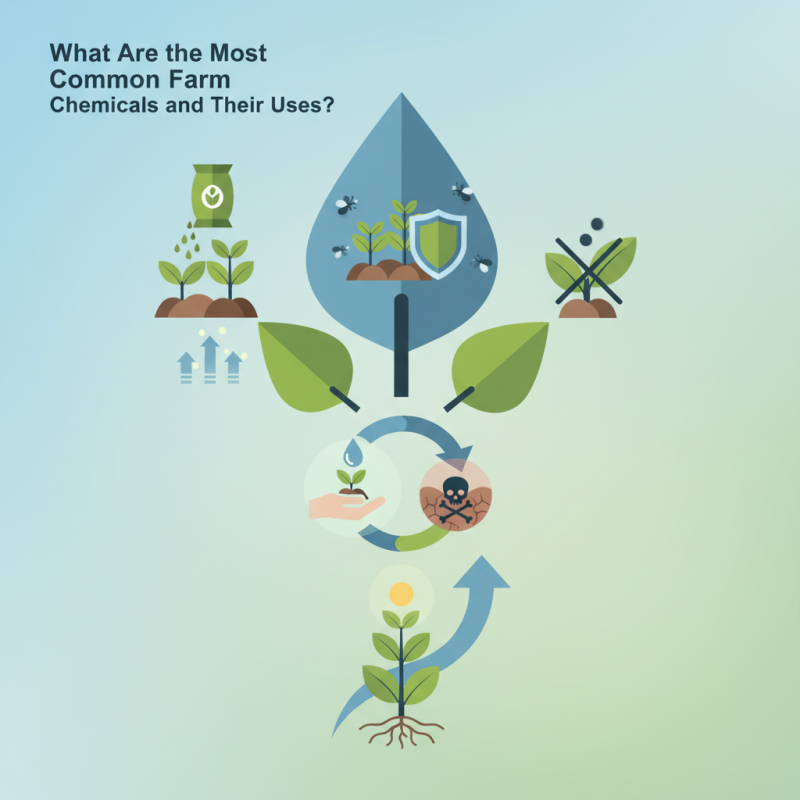
Farm chemicals play a crucial role in modern agriculture. They help in promoting plant growth, controlling pests, and preventing diseases. However, their use requires caution. Understanding what these chemicals are is vital for farmers and consumers alike.
There are various types of farm chemicals, including fertilizers, pesticides, and herbicides. Each serves a specific purpose. For instance, fertilizers enhance soil nutrients, while pesticides protect crops from harmful insects. Nonetheless, reliance on these products can lead to problems. Overuse can damage the environment and harm beneficial organisms.
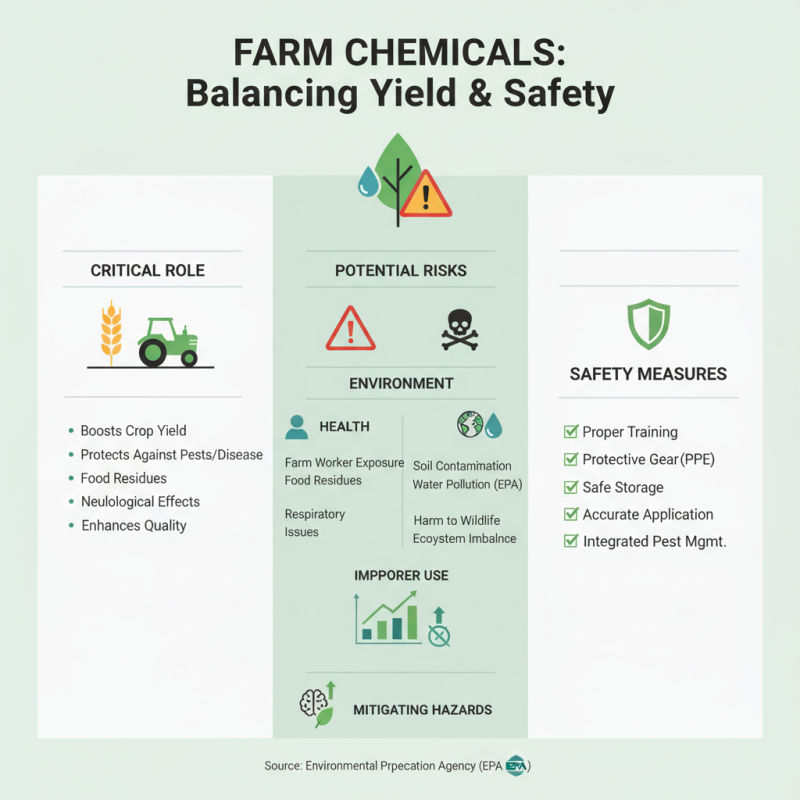
Farm chemicals can be effective but pose risks. Farmers must balance productivity with safety. It's essential to consider the long-term impact on health and ecosystems. Choosing sustainable practices may ultimately offer a better solution. Reflecting on the use of farm chemicals is necessary for future agriculture.
Types of Common Farm Chemicals and Their Classifications
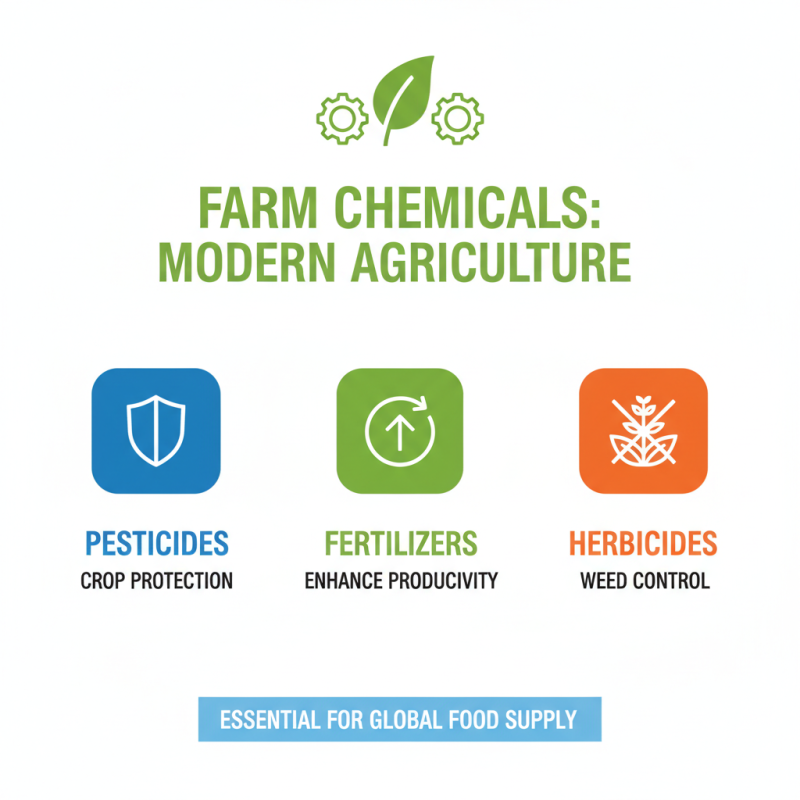
Farm chemicals play an essential role in modern agriculture. They help to protect crops and enhance productivity. These chemicals can be classified into several main categories: pesticides, fertilizers, and herbicides.
Pesticides are widely used to control pests and diseases. According to the FAO, global pesticide use has increased significantly. In 2021, about 4.3 million tons were applied worldwide. However, the overuse can lead to pesticide resistance and affect non-target organisms, raising concerns about environmental safety.
Fertilizers are crucial for providing essential nutrients to crops. Nitrogen, phosphorus, and potassium are the three primary nutrients needed for growth. The Nutrient Management Institute reports that about 186 million tons of fertilizers are applied each year globally. This reliance can lead to soil degradation and water pollution if mismanaged. Proper application methods are vital to mitigate these issues and support sustainable farming practices.
Fertilizers: Types, Functions, and Application Methods
Fertilizers play a crucial role in modern agriculture. They enhance soil
fertility, improve crop yields, and support healthy plant growth. There are two main types: organic
and inorganic. Organic fertilizers come from natural sources, such as compost or animal manure.
They release nutrients slowly, promoting long-term soil health. Inorganic fertilizers, on the other hand, contain synthetic chemicals. They
provide an immediate nutrient boost but can lead to nutrient runoff if misused.
Application methods vary widely. Broadcasting is common. This involves spreading the fertilizer
evenly across the soil surface. However, this method can waste resources if not done carefully. Banding is
another method. It places fertilizers in concentrated bands near plant roots, increasing efficiency. According to a report by the Food and Agriculture Organization, improper application can lead to 50% nutrient loss. This inefficiency raises concerns among farmers and environmentalists alike.
Farmers face challenges in choosing the right fertilizer. Soil testing is vital yet
underused. Many overlook the specific nutrient needs of their crops. Moreover, over-reliance on chemical fertilizers can harm soil health over
time. Balancing fertilizer use with organic practices could address this issue. Sustainable practices are essential for the future of farming.
Pesticides: Categories, Targets, and Usage Guidelines
Pesticides play a crucial role in modern agriculture. They help manage pests that can destroy crops. Farmers use various types of pesticides, each targeting specific pests or diseases. The main categories include insecticides, herbicides, fungicides, and rodenticides. Insecticides target harmful insects, while herbicides control unwanted plants. Fungicides protect crops from fungal infections. Rodenticides help manage rodent populations, which can cause significant damage.
Knowing how to use pesticides safely is essential. Always read and follow label instructions. Avoid applying them on windy days to prevent drift. Wear protective gear, like gloves and masks, when handling these chemicals. Also, check for local guidelines regarding pesticide use. This will help ensure safety for you, your crops, and the environment.
Tips: Always store pesticides in original containers. Keep them away from children and pets. Dispose of any unused products safely. Consider integrating non-chemical methods into your pest management strategy. These methods can reduce reliance on pesticides over time. Remember, using fewer chemicals can lead to healthier soil and crops.
What Are the Most Common Farm Chemicals and Their Uses?
| Chemical Type |
Common Use |
Target Organism |
Application Method |
| Herbicides |
Weed Control |
Broadleaf Weeds, Grasses |
Spraying |
| Insecticides |
Insect Control |
Aphids, Beetles, Caterpillars |
Ground Application, Aerial Spray |
| Fungicides |
Fungal Disease Control |
Mildews, Rusts, Blights |
Soil Drench, Foliar Spray |
| Fertilizers |
Nutrient Supply |
Plants |
Broadcasting, Banding |
| Adjuvants |
Enhance Effectiveness |
Pesticides |
Mixed with Spray Solutions |
Herbicides: Selection, Effectiveness, and Environmental Impact
Herbicides play a crucial role in modern agriculture. They control unwanted weeds that compete with crops for nutrients. A report from the Environmental Protection Agency (EPA) found that herbicides account for about 70% of all pesticide use. This high utilization rate raises concerns about their long-term effectiveness and environmental impact.
The selection of herbicides often depends on specific crop requirements. Farmers must consider factors such as weed type and growth stage. However, over-reliance on certain herbicides can lead to resistant weed populations. A study indicated that nearly 14% of U.S. farms encountered herbicide-resistant weeds in 2020. This alarming trend urges farmers to rethink their chemical strategies.
Environmental impacts are significant as well. Herbicides can contaminate soil and water systems. In rural areas, runoff can introduce chemicals into local streams and rivers. Researchers estimate that about 25% of applied herbicides may end up in water bodies. Such findings highlight the necessity for sustainable farming practices that balance productivity with environmental stewardship. The path forward requires reflection on chemical use and exploring integrated pest management alternatives.
Common Herbicides and Their Usage in Agriculture