How to Choose the Best Pesticides for Your Plants?
Choosing the right pesticides for plants is crucial in gardening and agriculture. In recent years, growers face increasing challenges. Pest resistance and environmental concerns grow daily. According to the USDA, nearly 30% of crops are lost to pests and diseases each year. Effective pesticides for plants can help mitigate these losses.
Selecting appropriate pesticides requires careful consideration of various factors. One must evaluate the type of plants, pests, and the surrounding ecosystem. A study by the National Pesticide Information Retrieval System highlights that nearly 80% of growers struggle to identify the best products. This inconsistency often leads to ineffective pest control methods or potential harm to beneficial insects.
Growers may encounter problems when they overlook specific guidelines. Many pesticides can be harmful if misapplied. Ignoring application rates and timing can result in crop damage or resistance. Responsible use is essential. Each decision directly impacts crop yield and environmental health. While selecting pesticides for plants, reflection on these choices is necessary for sustainable gardening practices.
Understanding Different Types of Pesticides and Their Uses
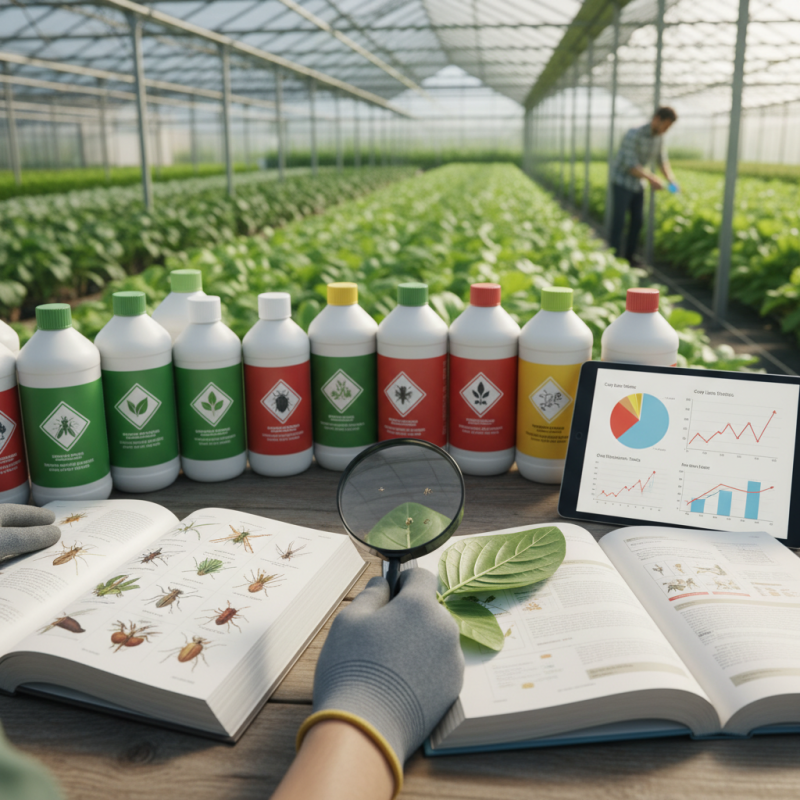
When choosing pesticides, it's crucial to understand the various types available. Broadly, pesticides fall into categories like insecticides, herbicides, fungicides, and rodenticides. Each type targets specific pests, making accurate identification of the problem essential. According to the Environmental Protection Agency (EPA), nearly 60% of pesticide use is for controlling insects. However, improper application can harm beneficial insects and disrupt local ecosystems.
Consider your specific needs, as each pesticide has its strengths and weaknesses. For instance, while some insecticides act quickly, they may also affect pollinators. Alternatively, systemic options may offer long-lasting protection but require patience. It's essential to read labels carefully and follow all safety instructions. Remember, using more pesticide doesn’t equal better results.
Tips: Always test a small area before widespread application. Monitor your plants for any adverse reactions. It’s wiser to apply pesticides in the evening when pollinators are less active. Also, keep an eye on weather forecasts; rain can wash away treatments. Regularly review your choices, as new studies emerge about pesticide safety and effectiveness. Reflecting on past applications can help you improve future decision-making.
Evaluating the Specific Needs of Your Plants and Garden Environment
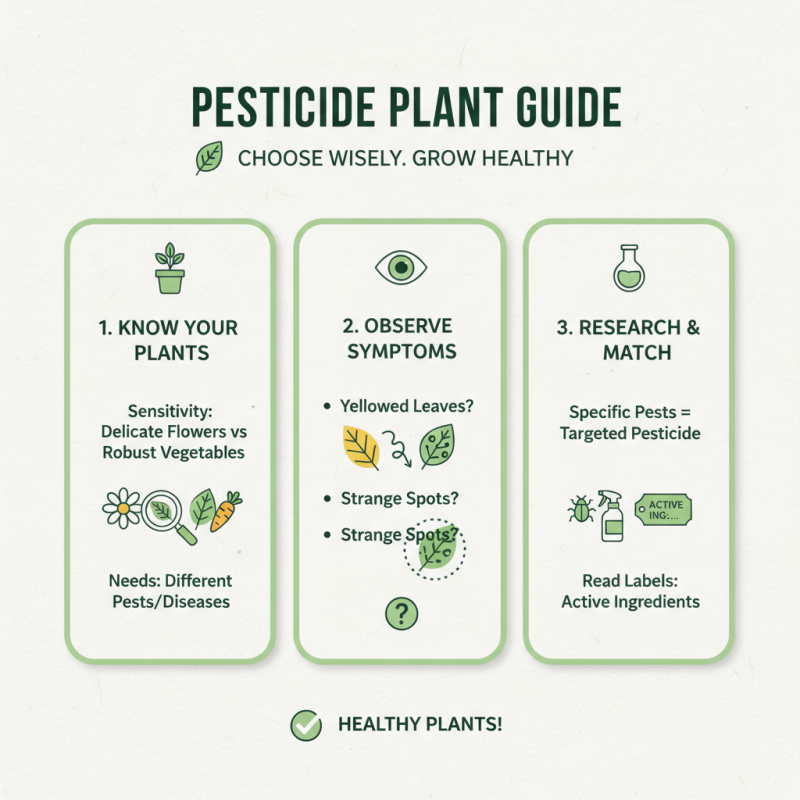
Choosing the right pesticide can be challenging. Understanding the specific needs of your plants is crucial. Different plants have varying levels of sensitivity to chemicals. For instance, delicate flowers may react badly to harsh substances, while robust vegetables often can handle a bit more. Observe your plants closely. If you notice yellowed leaves or strange spots, they might have specific pests or diseases.
Consider your garden environment as well. Is it humid or dry? What about sunlight exposure? Some pests thrive in specific conditions. For example, aphids may become a problem in warm, sunny spots. Think about beneficial insects too. A pesticide that harms them can upset your garden's balance.
You might need to experiment a little. Sometimes, the chosen pesticide doesn’t work as expected. It can feel frustrating when efforts yield no results. Additionally, consider how the pesticide will affect the soil health. It is essential to prioritize the overall ecosystem. Reflect on the approach you take. Sometimes, less is more.
Assessing the Potential Risks and Benefits of Pesticide Use
Choosing the right pesticides requires careful thought. There are potential risks and benefits to consider. Some pesticides can effectively control pests. However, they may also harm beneficial insects, soil health, and even water quality. It’s essential to weigh these factors.
**Tips:** Understand your plant needs. Research which pests are targeting them. This allows you to choose a pesticide with minimal negative impact. Always read labels for safety instructions. Some pesticides can linger in the soil, affecting future crops.
You must also consider environmental impact. Pesticides can drift away, harming nearby plants and wildlife. Their benefits might seem clear, but the consequences can be hidden. It’s crucial to assess the overall situation. Look for organic alternatives when possible. Sometimes, nature provides solutions that chemical products cannot match.
**Tips:** Test small areas before applying widely. Monitor your results closely. Be ready to change your strategy if the situation worsens. Remember, responsible use protects both your garden and the environment.
How to Choose the Best Pesticides for Your Plants? - Assessing the Potential Risks and Benefits of Pesticide Use
| Pesticide Type |
Target Pest |
Mode of Action |
Potential Risks |
Benefits |
| Insecticide |
Aphids |
Nervous system disruptor |
Harmful to beneficial insects |
Effective at quickly reducing pest populations |
| Herbicide |
Weeds |
Growth regulator |
Potential for soil and water contamination |
Can effectively control invasive plant species |
| Fungicide |
Mildew |
Cell membrane disruptor |
Resistance development in fungi |
Prevents crop loss due to fungal diseases |
| Bactericide |
Bacterial infections |
Cell wall synthesis inhibitor |
Impact on beneficial soil bacteria |
Protects plant health and yield |
Researching and Comparing Pesticide Brands and Ingredients
When choosing the best pesticides for your plants, it is crucial to research various brands and their ingredients. Look for pesticides with proven effectiveness against specific pests. Read product labels carefully. They often detail active ingredients and their functions. This can help you understand their impact on both plants and the environment.
Comparing different pesticide options can reveal important differences. Some may be more effective but could harm beneficial insects. Think about that when making your choice. Consider the application method, too. Some products are easy to spray, while others may require more effort. Efficiency matters, but so does safety.
Not every pesticide works for all plants. What works for one may not work for another. It is essential to keep this in mind. If a pesticide causes unexpected side effects, it could lead to more problems. Researching local regulations can also reveal important insights. There may be restrictions on certain types. Always be mindful of best practices to avoid mistakes.
Following Best Practices for Safe and Effective Pesticide Application
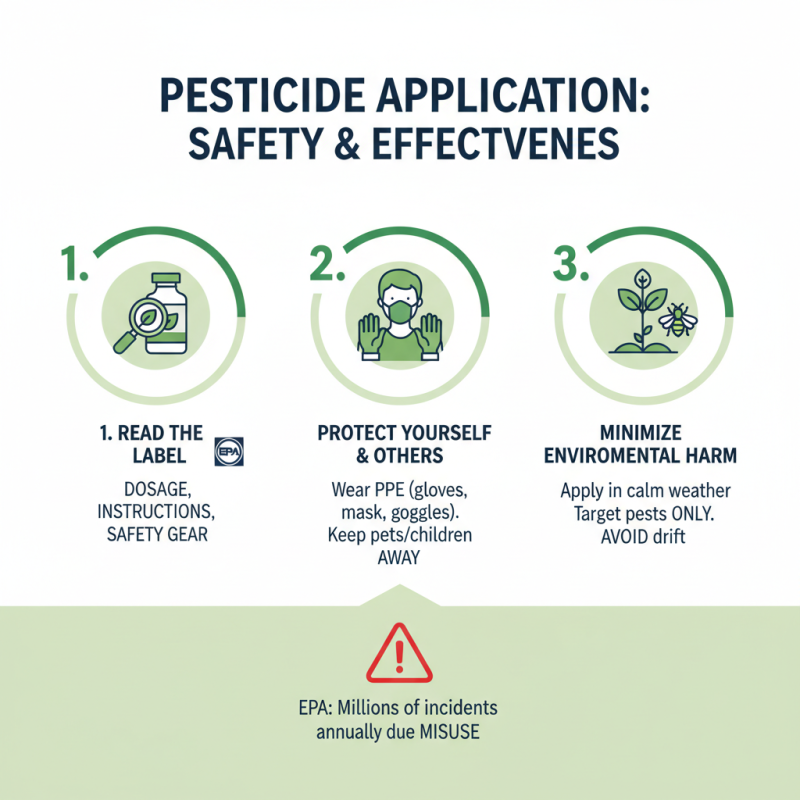
When applying pesticides, safety and effectiveness are crucial. Understanding best practices can minimize risks to plants, humans, and beneficial insects. According to the Environmental Protection Agency (EPA), improper pesticide use can lead to significant environmental damage. Each year, millions of pesticide-related incidents occur, many due to errors in application or dosage.
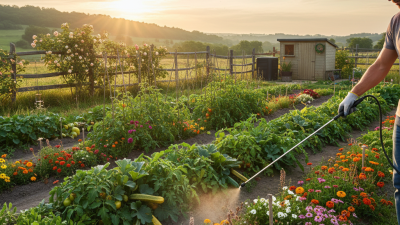
Using personal protective equipment (PPE) is essential. Gloves, masks, and goggles protect against harmful exposure. The American Society for Horticultural Science emphasizes that following label instructions is critical. Labels provide guidance on the correct dosage and application method. Misreading labels can lead to over-application, harming plants and local ecosystems. Inadequate spacing and timing of applications also contribute to inadequate outcomes.
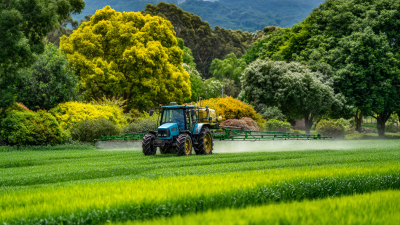
Monitoring weather conditions is another best practice. High winds can cause drift, spreading chemicals to unintended areas. Rain can wash away pesticides before they take effect. The National Pesticide Information Retrieval System highlights that timing matters. Pesticides should be applied during calm, dry conditions for maximum effectiveness. It’s important to reflect on personal experiences, as missteps in application techniques can result in ineffective pest control. Proper research and awareness of one’s local environment are crucial for successful pesticide use.