How to Choose the Best Fungicides for Crop Protection in 2025
In an era where sustainable agriculture is becoming increasingly vital, the selection of effective fungicides is crucial for crop protection in 2025. The challenges posed by fungal diseases continue to rise, necessitating innovative strategies and products to safeguard yield and quality. As farmers seek reliable solutions, it is essential to navigate the wide array of available options, including advanced Corteva fungicides, designed to combat these pervasive threats while supporting environmental stewardship.
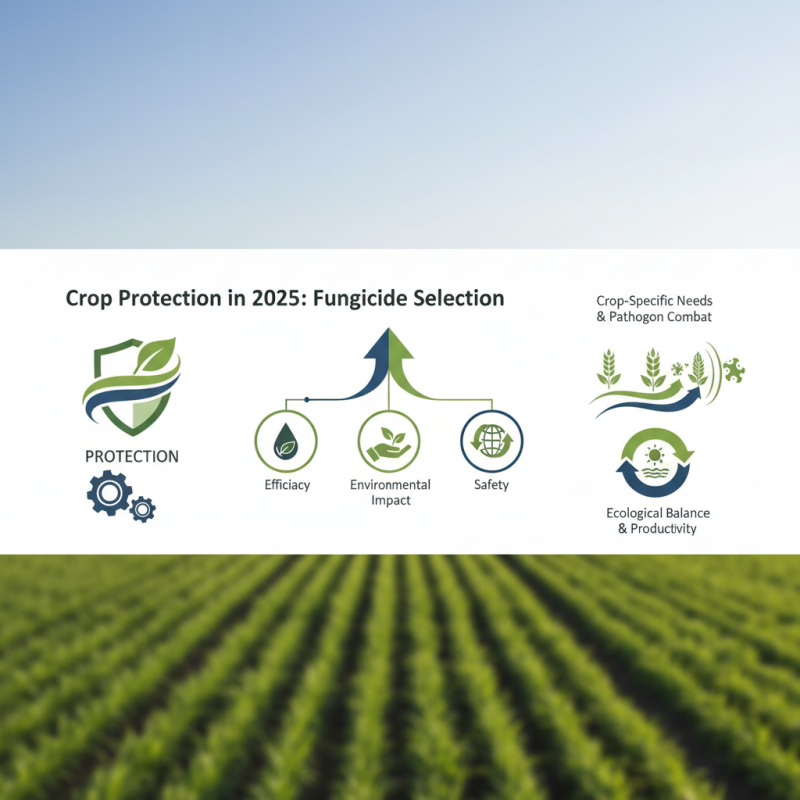
Understanding the unique needs of various crops and the specific fungal pathogens targeting them is foundational in making informed fungicide choices. The selection process involves evaluating factors such as efficacy, safety, and environmental impact. By carefully considering these elements, growers can optimize their fungicide selection to not only protect their crops from disease but also contribute positively to ecological balance. As we delve into the landscape of crop protection for the upcoming year, this guide will illuminate key considerations and innovative practices that can empower farmers to make informed decisions, ultimately enhancing their productivity and sustainability efforts in the challenging agricultural landscape of 2025.
Understanding the Role of Fungicides in Crop Protection
Fungicides play a crucial role in crop protection by safeguarding plants from fungal diseases that can severely impact yield and quality. Understanding their function involves recognizing how these chemicals act against harmful pathogens, including molds, blights, and rusts. By inhibiting the growth of these fungi, fungicides not only protect healthy plants but also reduce the spread of diseases, which can devastate entire fields if not managed effectively.
In 2025, the selection process for fungicides will be increasingly informed by advancements in agricultural practices and a deeper understanding of eco-friendly approaches.
Farmers will need to consider factors such as the specific diseases prevalent in their regions, the life cycle of pathogens, and the potential impact of fungicide residues on the environment.
Integrated Pest Management (IPM) strategies will likely emphasize the use of fungicides in conjunction with cultural practices and biological controls, highlighting the need for a nuanced approach to crop protection that prioritizes sustainability and soil health.
Identifying Common Crop Diseases and Their Impact on Yields
Identifying common crop diseases is crucial for maintaining agricultural productivity and safeguarding yields. Diseases such as powdery mildew, rust, and blight can devastate crops, leading to significant economic losses. These pathogens can spread rapidly in favorable conditions, impacting not only the health of the plants but also the quality and quantity of the harvest. Early identification of symptoms is key, as it allows farmers to take timely action, potentially preventing widespread outbreaks that could jeopardize entire fields.
Moreover, understanding the specific diseases that affect particular crops can aid in developing targeted fungicide strategies. For example, certain crops may be more susceptible to specific fungal infections, highlighting the need for tailored management approaches. Farmers must remain vigilant and informed about the prevalent diseases in their regions, taking into account factors such as climate and soil health, which may influence disease prevalence and severity. By staying proactive and employing effective crop monitoring techniques, producers can mitigate the impact of these diseases, ensuring better yields and overall crop resilience.
Yield Impact of Common Crop Diseases in 2025
Evaluating Different Types of Fungicides: Chemical vs. Biological
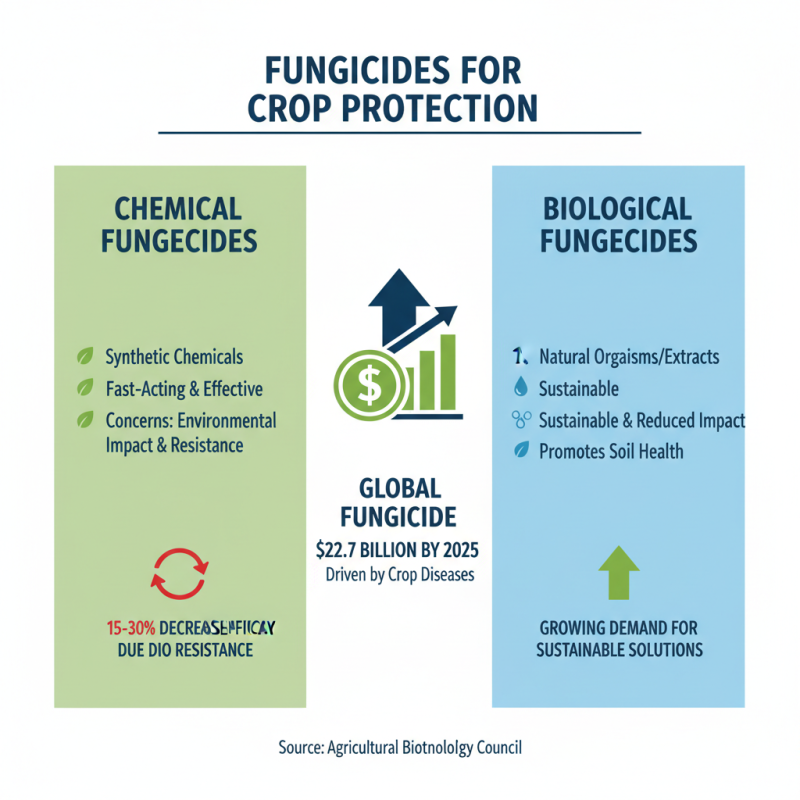
When selecting fungicides for crop protection, understanding the differences between chemical and biological options is essential for effective disease management in agriculture. According to the Agricultural Biotechnology Council, the global fungicide market is projected to reach $22.7 billion by 2025, driven by the rising incidence of crop diseases and the growing demand for sustainable solutions. Chemical fungicides, while often effective and fast-acting, raise concerns about environmental impact and the development of resistance in pathogen populations. Recent studies indicate that continuous reliance on synthetic chemicals can lead to a 15-30% decrease in efficacy over time due to resistance buildup.
In contrast, biological fungicides offer a more sustainable approach, leveraging naturally occurring microorganisms to combat plant pathogens. A report from the International Society for Organic Agriculture Research highlights that biological fungicides can improve soil health and promote biodiversity, reducing the reliance on harmful chemicals. These products have shown promise in reducing disease incidence by 40-70% when used in conjunction with integrated pest management strategies. As the industry moves towards more sustainable practices, the adoption of biological fungicides is expected to increase, emphasizing the need for farmers to evaluate the long-term benefits versus the short-term effectiveness of traditional chemical options.
Factors to Consider When Choosing Fungicides for Specific Crops
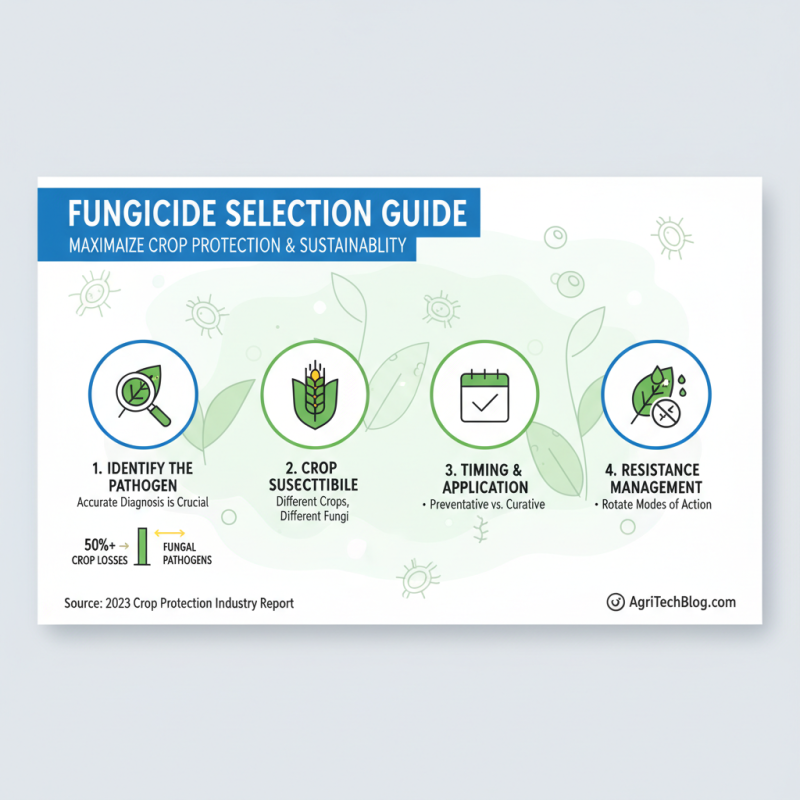
When selecting fungicides for crop protection, it is essential to consider several critical factors that can influence effectiveness and sustainability. First and foremost, the specific fungal diseases affecting your crops must be identified. According to the 2023 Crop Protection Industry Report, over 50% of crop losses are attributed to fungal pathogens, making accurate diagnosis crucial in choosing the right fungicide. Different crops may be susceptible to varying fungi, and understanding these susceptibilities can guide farmers in choosing products that target particular pathogens effectively.
Another pivotal factor is the mode of action of the fungicides. Fungicides can be classified based on how they affect fungal cells, which influences resistance management strategies. The 2022 Fungicide Resistance Management Report highlighted that crops treated with multi-site fungicides showed a 30% decrease in resistance development compared to those treated with single-site modes of action. This emphasizes the importance of integrating fungicides with different modes of action to enhance crop health while minimizing the potential for resistance.
Environmental impact and application methods also play a significant role in fungicide selection. Studies by the Agricultural Chemical Society indicate that improper application can lead to runoff, affecting non-target organisms and ecosystems. Hence, choosing fungicides that not only are effective against specific fungal threats but also promote environmental sustainability is essential for long-term agricultural success. Emphasizing the need for integrated pest management practices allows growers to balance crop yield alongside ecological health.
Best Practices for Applying Fungicides for Maximum Effectiveness
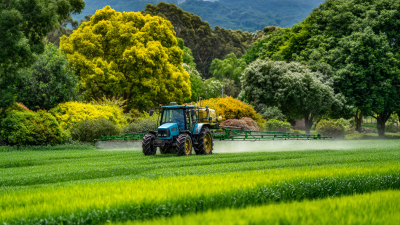
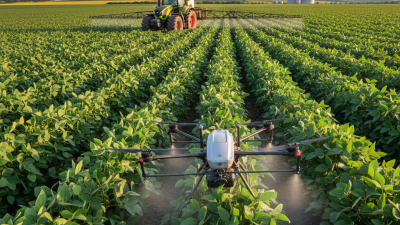
When it comes to achieving maximum effectiveness with fungicides in crop protection, understanding the best practices for application is crucial. A report from the International Society for Plant Pathology highlights that improperly applied fungicides can lead to resistance development in pathogens, ultimately diminishing their efficacy. To avoid this, it's essential to strictly follow the recommended application rates and timing based on crop growth stages. For instance, targeting fungicide applications at the onset of disease symptoms can significantly improve control and minimize crop loss.
Tip: Always conduct a thorough field scouting before applying fungicides. Identifying the specific pathogen in early stages can help in selecting the most effective fungicide and timing for application.
Moreover, employing integrated pest management (IPM) strategies can enhance fungicide effectiveness. According to the American Phytopathological Society, combining fungicide applications with cultural practices, such as crop rotation and resistant variety planting, can lead to a more sustainable approach to disease management. Proper equipment calibration is also vital; according to a study by the Agricultural Research Service, miscalibrated spraying equipment can lead to uneven application, which may leave some areas of the crop vulnerable to disease.
Tip: Regularly inspect and maintain your application equipment to ensure accurate and uniform delivery of fungicides, leading to better crop protection and reduced chemical waste.