What is Chemical Weed Control Methods and Benefits?
Chemical weed control plays a crucial role in effective agriculture. It involves using pesticides to eliminate unwanted plants. This method offers several benefits, such as increased crop yield and reduced competition for nutrients. Farmers often rely on chemical weed control to manage their fields efficiently.
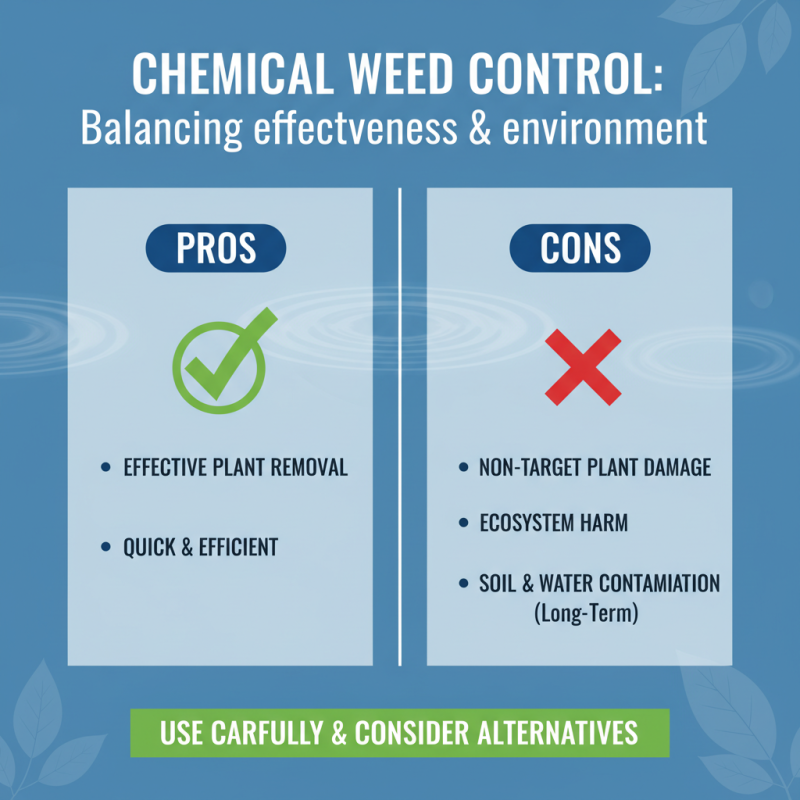
However, there are concerns surrounding chemical weed control. Overuse can lead to resistance in weeds. This creates a cycle that requires stronger chemicals or more frequent applications. It's important for farmers to carefully manage their usage. They must balance effectiveness with environmental impact.
In conclusion, chemical weed control can be a powerful tool. Yet, its application needs careful consideration. Responsible use can enhance productivity, while reckless methods can harm ecosystems. Through proper strategy, farmers can ensure sustainable outcomes while addressing weed problems.

Types of Chemical Herbicides Used in Weed Control
Chemical weed control methods offer effective solutions for managing unwanted plants. Various types of chemical herbicides are commonly used, each designed for specific applications. For instance, pre-emergent herbicides prevent seed germination, making them ideal for early-season applications. These products create a barrier in the soil that stops weeds before they surface.
Post-emergent herbicides, on the other hand, target weeds that have already grown. They may be selective, affecting only certain plant species, or non-selective, killing any plant they contact. Applicators need to be cautious, as overspray can harm valuable crops. While chemical methods can be effective, their environmental impact must be considered. Improper use can lead to soil and water contamination.
Additionally, resistance is a growing concern. Some weeds adapt, becoming tougher to control. As a result, it's vital to follow best practices and observe the symptoms of herbicide failure. Decisions should be based on careful monitoring and observation. Balancing effective weed control with ecological health is an ongoing challenge for many land managers.
Mechanisms of Action: How Chemical Herbicides Work
Chemical herbicides are powerful tools in agriculture and gardening. They target specific weeds while sparing desired plants. Understanding their mechanisms of action can help us use them more effectively.
Herbicides often work by disrupting essential processes in plants. Some inhibit photosynthesis, blocking sunlight absorption. Others interfere with cell division or protein synthesis. This selective approach helps reduce competition for resources. However, misapplication can lead to crop damage, harming the very plants we aim to protect. Therefore, precise application is crucial.
Moreover, environmental concerns arise with chemical usage. Runoff can contaminate water sources. Additionally, over time, some weeds may develop resistance. This resistance challenges the long-term sustainability of using these chemicals. It's essential to think critically about their application and consider integrating them with other management strategies for better results.
Chemical Herbicides: Methods and Benefits
This chart illustrates the effectiveness of various chemical herbicide methods. Pre-emergent herbicides have the highest effectiveness, ensuring better weed control compared to post-emergent, selective, and non-selective types. Understanding these methods helps in making informed decisions in weed management.
Benefits of Chemical Weed Control Methods
Chemical weed control methods offer numerous benefits in agricultural and landscaping practices. Utilizing herbicides effectively can dramatically reduce weed populations, leading to healthier crops. According to the U.S. Department of Agriculture, chemical weed management can boost yields by up to 30% in certain crops. This improvement enhances food production efficiency, especially in high-demand areas.
Another key advantage of chemical methods is their targeting capability. Selective herbicides can control specific weeds without harming desirable plants. This precision is vital for maintaining ecological balance in gardens and farms. However, reliance on chemicals can lead to resistance, making it crucial to use them responsibly. Studies show that overuse of specific herbicides can lead to the emergence of resistant weed species over time.
Tip: Rotate between different herbicides to minimize resistance buildup. Additionally, integrate manual weeding or mulching to complement chemical methods. This dual approach can improve long-term efficacy and protect biodiversity. Always consider local regulations regarding chemical use, and ensure safety measures are in place.
Environmental Considerations and Safety Measures
Chemical weed control methods offer effective solutions for managing unwanted plants. However, it's crucial to consider environmental impacts. Many chemical herbicides can affect non-target plants and harm local ecosystems. They may also contaminate soil and water. This can lead to long-term damage.
Safety measures are essential when using chemicals. Always wear protective gear to prevent skin contact and inhalation. Read labels carefully for instructions on proper application. It's also important to keep chemicals out of reach of children and pets. Consider using baits or barriers to minimize exposure. Reflecting on these safety protocols is vital for reducing risks.
Moreover, selecting the right time for application can influence effectiveness and safety. Windy days can spread chemicals to unintended areas. Rain can wash them away, decreasing their impact. These variables require careful planning. We must weigh the benefits against potential harm to the environment and public health.
Best Practices for Effective Chemical Weed Management
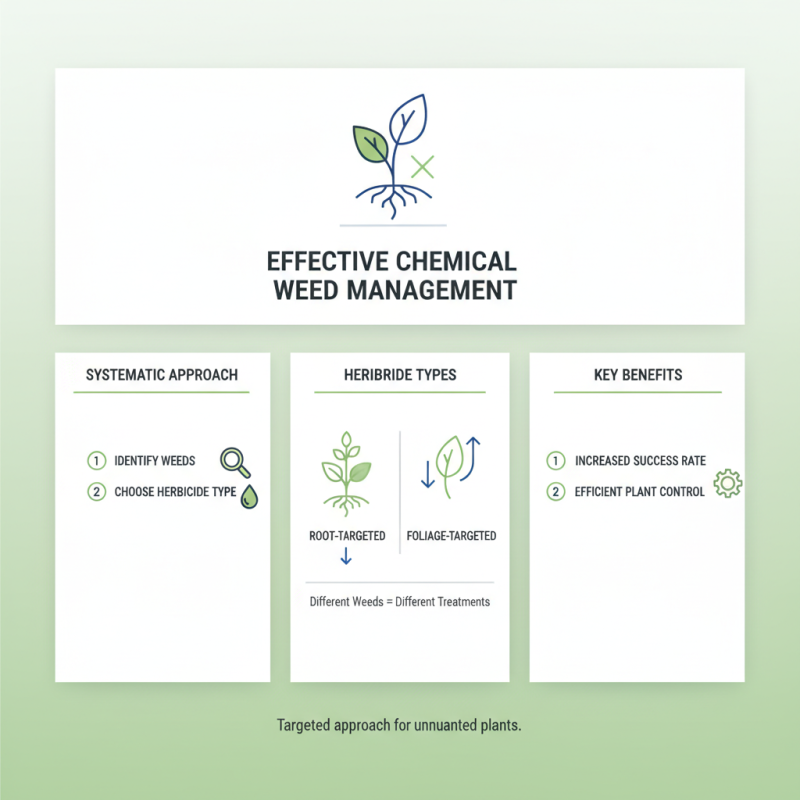
Chemical weed control offers a systematic approach to managing unwanted plants. For effective chemical weed management, it’s crucial to understand the specific types of herbicides available. Different weeds require different treatment methods. Some chemicals target root systems, while others focus on foliage. This targeted approach can enhance the success rate of your weed control efforts.
Timing plays a vital role in chemical application. Applying herbicides during the right growth stage increases efficiency. Early applications can prevent weeds from establishing deep roots. Weather conditions also matter; applying chemicals during calm days prevents drift to desirable plants. Many believe that more product equals better results, but this isn’t always true. Over-application can lead to environmental harm and resistance.
Safety precautions are essential. Always wear protective gear and follow application instructions. Improper use can lead to ineffective control and negative consequences. Record keeping can help track what works and what doesn’t. Reflecting on past applications can guide future strategies. Finding the right balance between effectiveness and safety is an ongoing challenge in chemical weed management.
Related Posts
-
Top 5 Benefits of Using 2 4 D Herbicide for Effective Weed Control in Agriculture
-

How to Choose the Best Fungicides for Crop Protection in 2025
-

2025 Top Strategies for Effective Chemical Weed Control in Your Garden
-
How to Safely Use Agricultural Chemicals for Optimal Crop Production in 2025
-

10 Best Agriculture Chemical Solutions for Sustainable Farming in 2023
-

Effective Strategies for Pesticide Control in Organic Farming Practices