
10 Best Biologicals for Sustainable Agriculture Success?
In the realm of sustainable agriculture, biologicals agriculture has emerged as a crucial method for enhancing productivity. These biological products include beneficial microorganisms and natural compounds that improve soil health and crop resilience. This shift toward biologicals reflects farmers' growing concerns about chemical fertilizers and pesticides.
Farmers are seeking to cultivate crops while maintaining ecological balance. Effective biologicals can promote healthier ecosystems and protect biodiversity. However, the reliance on these alternatives presents challenges. Not all biologicals yield consistent results, and some farmers may struggle to adopt new practices.
Investing in biologicals agriculture requires education and patience. Each farming context is unique, making it vital to assess which products work best. The journey toward sustainable agriculture using biologicals will not always be smooth. Yet, the potential benefits can lead to successful outcomes for future generations.

The Role of Biologicals in Enhancing Soil Health and Fertility
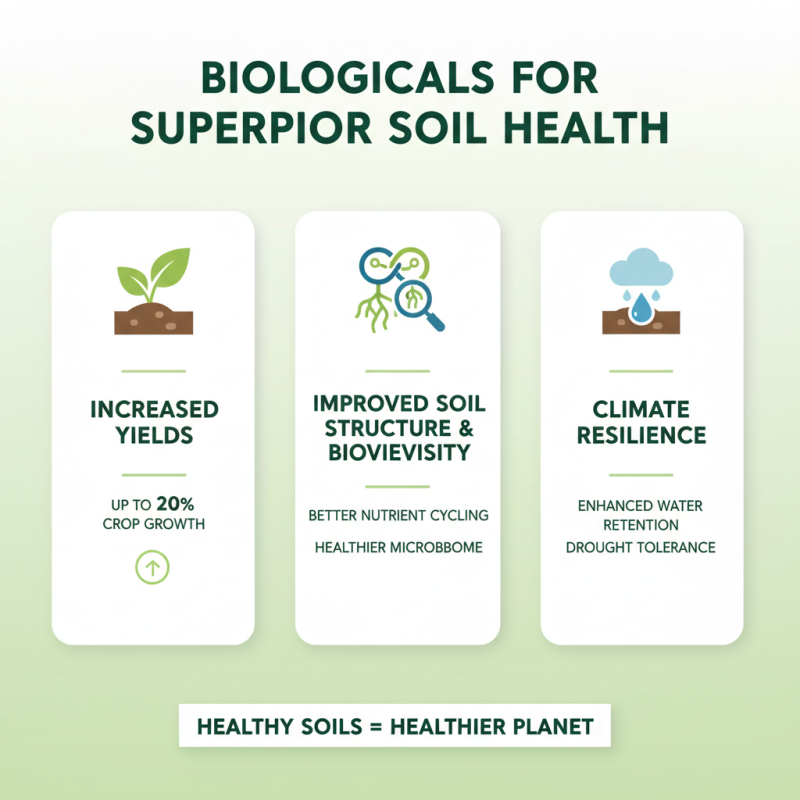
Biologicals play a crucial role in enhancing soil health and fertility. Research shows that the use of biological fertilizers can increase crop yields by up to 20%. These products improve soil structure and biodiversity. Healthy soils are more resilient to extreme weather conditions. They retain moisture better, which is vital during droughts.
Utilizing microbial inoculants can significantly boost nutrient availability. According to a recent industry report, soils treated with biologicals have shown a 40% increase in nitrogen availability. This is essential for healthy plant growth. Farmers can observe a direct correlation between biological applications and improved crop performance.
Tips: Regular soil testing can identify specific nutrient deficiencies. Tailor biological applications based on these results. Use cover crops to enhance soil biology. These crops improve soil organic matter and enhance microbial life. Keep in mind, not all biologicals may work in harmony, so ongoing evaluation is necessary. Consistency in application and monitoring is key for sustainable success.
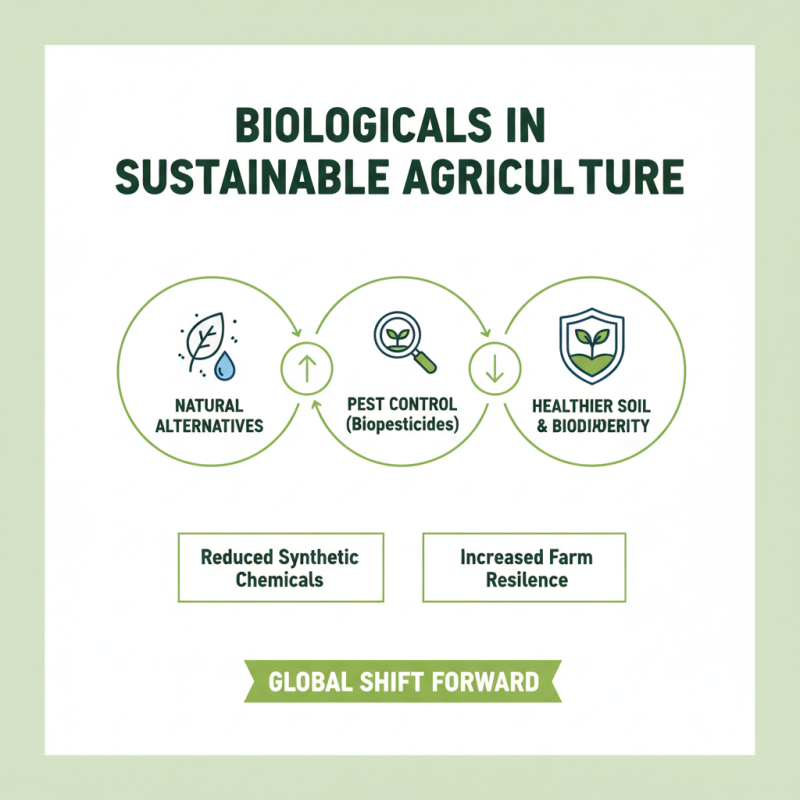
Evaluating Microbial Inoculants: Impact on Crop Yield and Quality
Evaluating microbial inoculants is crucial for enhancing crop yield and quality in sustainable agriculture. These tiny organisms can improve soil health. They boost nutrient availability. This, in turn, can lead to stronger plants. Microbial inoculants may include bacteria, fungi, or other beneficial microbes. Farmers should choose the right combination for their specific crops.
Tips: When selecting microbial inoculants, consider soil type, climate, and crop needs. Different inoculants have varied effects. Some may not work as expected. Regular monitoring is essential. Observe changes in plant growth and soil conditions. This helps in refining your approach.
It's essential to remember that not every inoculant will lead to significant improvements. Some may have disappointing results. This can be frustrating for farmers seeking immediate benefits. The success of microbial inoculants can depend on numerous factors, including application methods and timing. Patience is key.
Integrated Pest Management: Biological Solutions for Sustainable Farming
Integrated Pest Management (IPM) is vital for achieving sustainable farming. This strategy combines biological solutions with traditional methods. Farmers can enhance pest control while minimizing chemical use. Biological agents, such as beneficial insects and microorganisms, play a crucial role. They can reduce the need for synthetic pesticides.
One effective tip is to encourage natural predators like ladybugs and lacewings. These insects can keep aphid populations in check. Setting up diverse plantings helps support these beneficial species. Crop rotation is another useful strategy. It disrupts pest life cycles and reduces infestations.
Monitoring is essential in IPM. Farmers should regularly check for pests and diseases. This practice helps in making informed decisions about interventions. Emphasizing prevention over cure can save resources.
However, using only biological controls can be challenging. Sometimes, pests outgrow these solutions, leading to crop damage. Balancing methods requires constant reflection and adjustment.
Reducing Chemical Inputs: The Economic Benefits of Using Biologicals
In today’s agriculture, the use of biologicals offers a promising path to reducing chemical inputs. These products can enhance soil health and plant growth. Farmers are increasingly turning to biopesticides and biofertilizers. They find that these alternatives often come at a lower cost in the long run. Harnessing natural organisms can lead to healthier crops and a more balanced ecosystem. Many producers have reported cost savings while improving their yields.
Adopting biologicals may not be without its challenges. Transitioning from chemical methods can be daunting. Some farmers express concerns about consistency and effectiveness. Education and proper training are essential to address these worries. It’s important to recognize that each farm system is unique. What works in one setting may not yield the same results in another. Thus, experimentation is crucial. Openness to testing different approaches can lead to unexpected successes.
While the initial investment in biologicals might seem high, the long-term benefits are often worth it. By reducing dependencies on synthetic chemicals, farmers can improve their sustainability. Healthier crops not only benefit producers but also consumers. As more farmers embrace these methods, the push for sustainable practices gains momentum. Nonetheless, finding the right balance can require ongoing reflection and adjustment.
10 Best Biologicals for Sustainable Agriculture Success
| Biological Product | Main Function | Crop Compatibility | Economic Benefit % (Estimated) | Impact on Chemical Inputs |
|---|---|---|---|---|
| Product A | Biocontrol Agent | Vegetables | 30% | Reduces pesticide use |
| Product B | Microbial Fertilizer | Cereals | 25% | Lowers nitrogen fertilizer needs |
| Product C | Soil Enhancer | Fruits | 20% | Minimizes chemical soil conditioners |
| Product D | Disease Resistance Enhancer | Legumes | 35% | Reduces fungicide requirements |
| Product E | Plant Growth Promoter | Ornamentals | 15% | Diminishes need for growth regulators |
Success Stories: Case Studies of Biologicals in Different Agroecosystems
In the world of sustainable agriculture, biologicals are gaining traction. Farmers are turning to these natural alternatives. Case studies highlight their potential in various agroecosystems. For example, in certain regions, biopesticides have successfully controlled pests. They reduced reliance on synthetic chemicals. This shift led to healthier soil and biodiversity.
One notable case involves a farmer transitioning to biological fertilizers. Initially, the results were inconsistent. However, over time, crop yields improved significantly. This farmer learned that patience is crucial. Monitoring soil health transformed his practices. He recognized the need for ongoing adjustments. Challenges still arise, such as limited availability and fluctuating effectiveness.
In another region, a group experimented with beneficial microbes. The intention was to enhance plant growth. Early outcomes were underwhelming. Many crops struggled to respond. Yet, through trial and error, they refined their approach. They discovered the right conditions for microbial activity led to remarkable results. These experiences illustrate the complexities of adopting biologicals. Real success requires willingness to adapt and learn.
Related Posts
-
10 Best Corteva Chemicals for Sustainable Agriculture: Enhancing Crop Yields by 20%
-
How to Use Corteva Chemicals for Improved Agricultural Productivity?
-
2025 Top Digital Innovations in Agriculture Featuring Corteva Herbicide Solutions
-
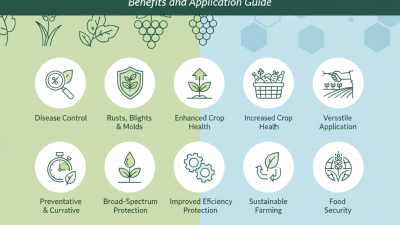
Top 10 Uses of Tebuconazole Fungicide: Benefits and Application Guide
-
2025 Top Strategies for Effective Chemical Weed Control in Your Garden
-
How to Choose the Best Fungicides for Crop Protection in 2025