
NACL Industries Limited

Top Benefits of Cypermethrin Insecticide for Pest Control Solutions?

Cypermethrin insecticide is a highly effective tool in pest management. It belongs to the pyrethroid family and has gained popularity in agricultural and residential settings. According to the National Pesticide Information Retrieval System, cypermethrin has shown significant efficacy against various pests, including aphids, beetles, and mosquitoes.

One report estimates that cypermethrin can reduce pest populations by over 90% when applied correctly. This high success rate can lead to increased crop yields and reduced damage to structures. Plant health improves as pests decline. However, misuse can cause harm. The potential for affecting non-target species is a concern that must not be overlooked.

While cypermethrin insecticide offers robust pest control options, it is essential to follow usage guidelines to minimize risks. Awareness of environmental and health impacts is crucial. Continued research will help us understand the long-term effects of cypermethrin use in various ecosystems. This complexity invites reflection on our pest management strategies and their implications.

Top Benefits of Cypermethrin Insecticide for Pest Control Solutions?

Overview of Cypermethrin Insecticide and Its Uses

Cypermethrin insecticide is a powerful tool for pest control. It is widely used in agriculture and home gardens. The compound targets a range of pests, from aphids to beetles. What makes it effective is its ability to disrupt the nervous system of insects. This disruption leads to paralysis and death. Farmers appreciate this speed, as crops are protected quickly.

In residential spaces, cypermethrin can handle pests like ants and cockroaches. Its formulation allows for application in various settings. It can be sprayed indoors and outdoors. However, caution is necessary. While effective, it may pose risks to beneficial insects. Pollinators like bees can be affected if exposed. It’s crucial to follow application guidelines. Overuse can lead to resistance in pest populations. Proper management practices can help mitigate these concerns.

The versatility of cypermethrin is notable, but users must remain cautious. Understand the potential impacts on non-target species. Always read labels and instructions carefully. This awareness ensures its benefits can be maximized while minimizing risks. Balancing effectiveness and safety is key in pest management.
Mechanism of Action: How Cypermethrin Targets Pests

Cypermethrin insecticide effectively controls various pests through its unique action mechanism. This synthetic pyrethroid disrupts the normal functioning of insect nervous systems. It targets the sodium channels in cells, causing paralysis and, ultimately, death in targeted pests. The rapid action offers immediate control, making it a popular choice for many pest management strategies.

Once cypermethrin enters the pest's body, it binds to the sodium channels. The insect's nerves become overstimulated, leading to spasms and eventual immobilization. This method is particularly effective against common pests like mosquitoes and cockroaches. However, improper use may lead to resistance issues over time, which is a critical consideration for long-term pest management. Many users may overlook application rates, leading to less effective treatment.

Understanding how cypermethrin works helps in applying it correctly. This chemical's efficiency depends on accurate dosage and timing. Heavy reliance on any single pesticide can invite pest adaptation. So, integrating cypermethrin with other pest control methods may yield better results while minimizing resistance. Experimenting with combinations can lead to improved outcomes, but it’s important to evaluate each approach continuously.

Key Benefits of Using Cypermethrin for Pest Control

Cypermethrin is a widely used insecticide known for its effectiveness in pest control. Its key benefits offer valuable insights for those seeking efficient pest management strategies. According to a recent report by the Environmental Protection Agency (EPA), Cypermethrin demonstrates a high level of efficacy against a broad spectrum of pests. This includes cockroaches, ants, and termites, making it a versatile choice for various settings.

One significant advantage of using Cypermethrin is its residual activity. It can remain effective on surfaces for weeks, providing prolonged protection against re-infestation. The ability to work on surfaces means fewer applications are often needed. However, this can lead to pesticide accumulation, raising questions about environmental impact. A study revealed that over-reliance on such chemicals can lead to resistance in pest populations, creating long-term challenges.

Moreover, Cypermethrin exhibits low toxicity to mammals when used correctly. It allows for safer pest control in residential areas, benefiting households and businesses. Yet, improper application can pose risks to non-target organisms. It's essential to balance efficacy with safety, ensuring that pest control methods do not harm beneficial species. Therefore, considering these aspects of Cypermethrin usage can lead to more informed choices in pest management approaches.

Safety Measures When Applying Cypermethrin Insecticide

Top Benefits of Cypermethrin Insecticide for Pest Control Solutions?

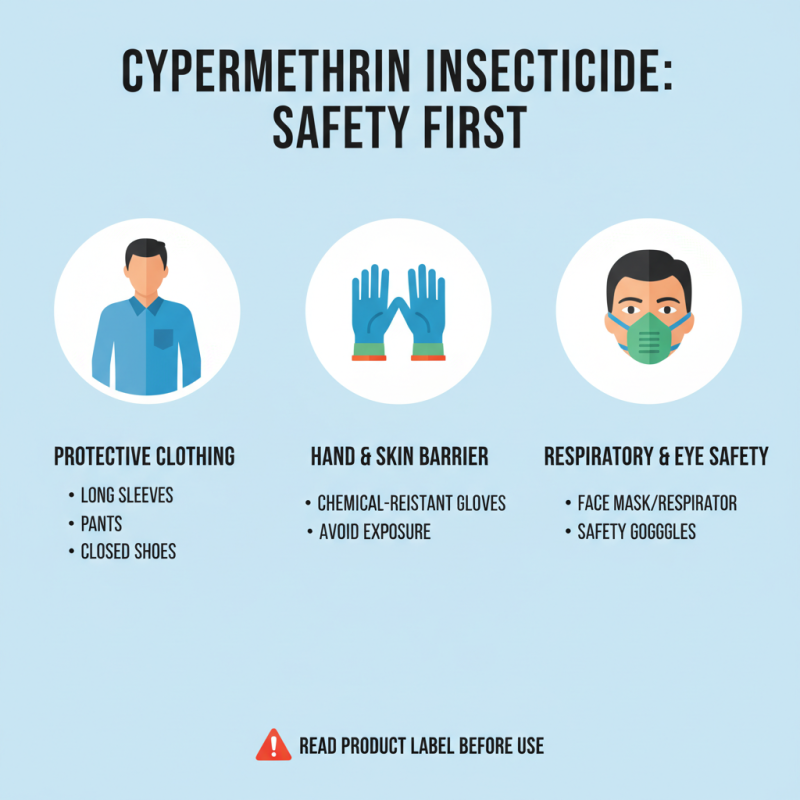
Applying cypermethrin insecticide requires careful planning and attention to safety. Always wear protective clothing to shield your skin from potential exposure. Long sleeves and gloves are essential. A mask can protect your respiratory system. This is especially important if you are sensitive to chemicals.

When applying the insecticide, ensure the area is well-ventilated. Open windows and doors to improve airflow. Avoid applying on windy days, as the product may drift to unintended areas. Always keep pets and children away from the treated zone. This reduces the risk of accidental exposure.

After applying, wash your hands thoroughly. Clean any equipment used during application. Dispose of any empty containers according to local guidelines. Remember, safety doesn’t end when the job is done. It’s crucial to reflect on the process and ensure all precautions were taken. Understanding the potential risks can lead to better practices in the future.

Comparative Effectiveness of Cypermethrin Against Other Insecticides

Cypermethrin is popular in pest control. Its effectiveness stands out when compared to other insecticides. A study by the Environmental Protection Agency showed that Cypermethrin can eliminate up to 95% of common household pests. This includes ants, cockroaches, and flies. Such figures highlight its strength in managing pest populations effectively.

In contrast, older insecticides may not deliver similar results. Many traditional options only achieve about 70% effectiveness. Cypermethrin's rapid action is another advantage. Pests that come into contact with it often die within hours. However, it is important to note that resistance can build over time. This necessitates careful and strategic application to maintain its effectiveness.

While the benefits are clear, discussions about safety are crucial. Users must follow specific guidelines to ensure safe use. The correct dosage is essential to prevent potential harm to non-target species. Misapplications can lead to environmental concerns. Continual monitoring and adjustment of strategies are needed. This dynamic nature of pest control should always be considered with any insecticide choice.

Top Benefits of Cypermethrin Insecticide

The chart above illustrates the comparative effectiveness of Cypermethrin and other popular insecticides used in pest control solutions. Cypermethrin demonstrates superior efficacy, making it a preferred choice for managing pest populations effectively.

Contact Us

Reach out to our dealer network