2025 Top Soybean Fungicide Options to Boost Crop Yields and Health
As the agricultural landscape continues to evolve, soybean farmers are increasingly seeking innovative solutions to enhance crop yields and maintain plant health. The application of soybean fungicides has emerged as a critical strategy in managing diseases that can significantly impact soybean production. These specialized treatments not only protect crops from fungal infections but also promote vigorous growth, ultimately leading to improved harvests.
In this exploration of the top soybean fungicide options for 2025, we will delve into the latest advancements in fungicide formulations and their effectiveness in combating various pathogens that threaten soybean crops. Understanding the importance of integrating these fungicides into crop management practices is essential for farmers who aim to maximize their productivity while ensuring sustainable farming methods. With a focus on maximizing yield potential and ensuring robust plant health, this discussion will guide soybean growers in making informed choices for the upcoming growing season.
Top Challenges Facing Soybean Crops in 2025
As soybean crops face an evolving landscape in 2025, several key challenges threaten their yields and overall health. One major issue is climate change, which has resulted in unpredictable weather patterns, including extreme temperatures and erratic rainfall. These fluctuations not only stress the plants but also create favorable conditions for diseases, pests, and weeds to thrive, further complicating cultivation efforts. Farmers must adapt their practices to mitigate these impacts and ensure resilient crop production.
Another significant hurdle is the rise of resistant pathogens and pests. Over time, some fungi and insects have developed resistance to conventional treatments, which makes controlling their spread and minimizing damage increasingly difficult. This resistance can lead to lower yields and higher production costs as farmers resort to more intensive management strategies. To combat these challenges, farmers need access to innovative fungicide options that can enhance crop health and yield, enabling them to navigate the complexities of soybean farming in 2025 successfully. These developments are crucial for sustaining profitability and ensuring food security in a changing agricultural landscape.
Key Fungal Diseases Impacting Soybean Yields
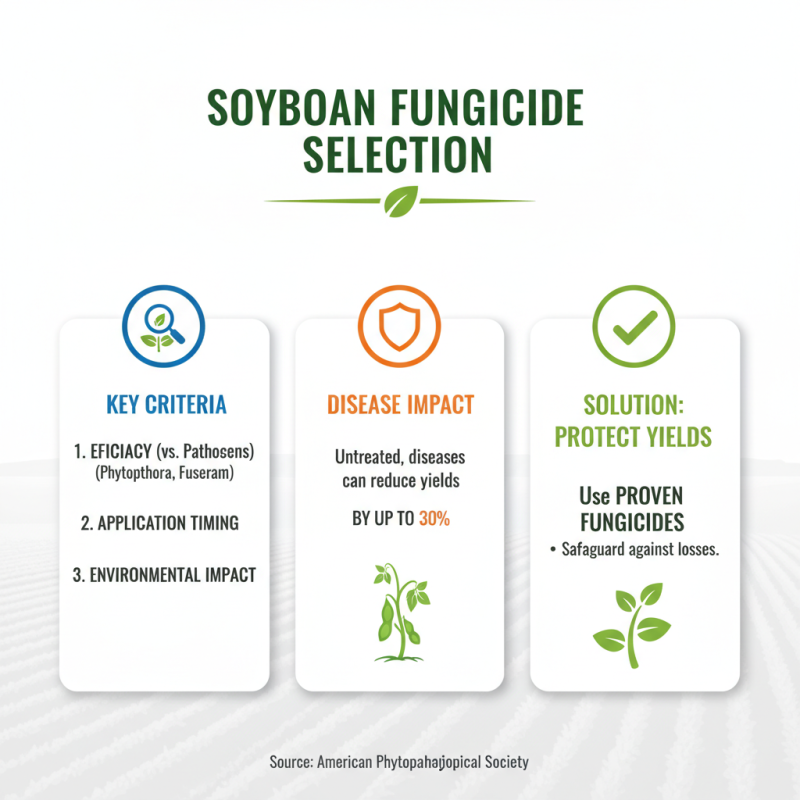
Soybean crops face numerous threats from fungal diseases, which can significantly reduce yields and compromise plant health. According to the USDA, the impact of fungal infections like Phytophthora sojae and Fusarium virguliforme can lead to yield losses of up to 30% in severely affected fields. These pathogens thrive in wet conditions and can cause root rot and soybean sudden death syndrome, respectively. The prevalence of these diseases underscores the need for effective management strategies, including the timely application of fungicides and the adoption of resistant soybean varieties.
In addition to Phytophthora and Fusarium, the soybean crop is also vulnerable to Sclerotinia sclerotiorum, the cause of white mold, which can devastate yields in high-density plantings and humid climates. Research indicates that Sclerotinia infections often lead to losses exceeding $1 billion annually in the U.S. alone. Accurate disease forecasting and soil management practices can mitigate the risks associated with these fungal pathogens. Implementing an integrated approach that combines fungicide application at critical growth stages with cultural practices aimed at reducing disease pressure is essential for maintaining high soybean yields and ensuring sustainable agriculture.
Criteria for Selecting Effective Soybean Fungicides
Selecting effective soybean fungicides is crucial for enhancing crop yields and ensuring plant health. When evaluating fungicides, growers should consider several key criteria, including efficacy against prevalent pathogens, application timing, and environmental impact. According to the American Phytopathological Society, soybean crops can face diseases such as Phytophthora sojae and Fusarium spp., which can significantly reduce yields by up to 30% if left untreated. Utilizing fungicides with proven efficacy against these pathogens can safeguard against potential losses.
Another essential criterion is the mode of action of the fungicide. Fungicides that target specific pathways in fungal biology tend to be more effective and may reduce the risk of resistance development. A report from the Crop Protection Research Institute indicates that rotating fungicides with different modes of action is a best practice that can help maintain effectiveness over time. Additionally, growers should assess the environmental profile of the fungicides, including their potential impact on non-target organisms and overall ecosystem health. Sustainable use of fungicides not only ensures better yields but also protects vital environmental resources, aligning with modern agricultural practices focused on sustainability.
Overview of Leading Fungicide Products for Soybeans
As soybean cultivation continues to face challenges from various fungal diseases, the development and application of effective fungicide products have become critical for farmers. Leading fungicide options are designed to combat prevalent issues such as soybean rust, anthracnose, and powdery mildew, which can considerably affect crop yield and overall plant health. These products often incorporate multiple modes of action to enhance their effectiveness, allowing for better control of pathogens and reduced likelihood of resistance development.
In 2025, a range of advanced formulations will stand out, offering tailored solutions for different growth stages and environmental conditions. These fungicides typically feature innovative active ingredients that not only protect the plants but also promote overall vigor. Many of the top options include application strategies that aim to maximize coverage and penetration, ensuring that the fungicide reaches the targeted fungal pathogens effectively. As farmers seek to optimize their practices, these leading fungicide products will play an essential role in improving soybean crop resilience and maximizing yields.
Best Practices for Application and Timing of Fungicides
When it comes to maximizing soybean crop yields and ensuring plant health, the application timing and best practices for fungicides play a critical role. Applying fungicides at the right time can prevent disease outbreaks and protect your crops during vulnerable growth stages. The ideal time to apply fungicides is just before disease symptoms appear, especially during periods of high humidity and rainfall. Monitoring weather conditions and scouting your fields regularly allows for timely applications, which ultimately enhances the effectiveness of the treatment.
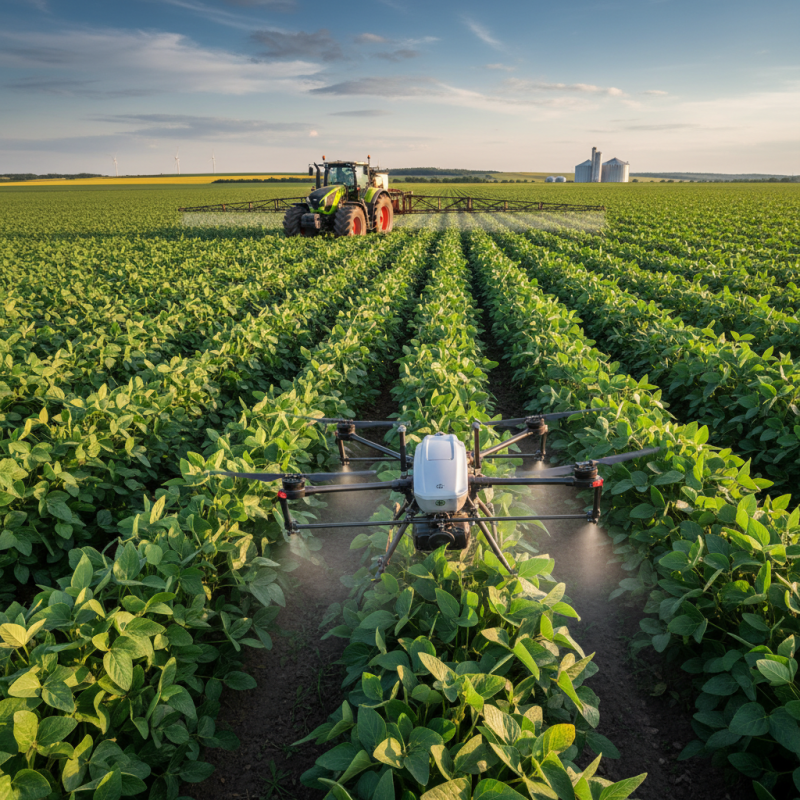
Tips for application include ensuring even coverage across the crop canopy. This may involve using ground sprayers or aerial application methods depending on the scale of the operation. Additionally, consider tank mixing fungicides with other compatible crop protection products to enhance efficacy, but always conduct a jar test to confirm compatibility. It's also important to adhere to the pre-harvest interval guidelines provided on fungicide labels to ensure compliance and protect crop quality.
Lastly, applying fungicides during early growth stages can bolster plant defenses as they transition into critical flowering and pod development phases. Regularly evaluate the health of your soybean plants and adjust application strategies accordingly to maintain optimal growth and yield potential. Remember, effective fungicide application is as much about timing as it is about technique, ensuring that your crop remains healthy and productive throughout the growing season.
2025 Top Soybean Fungicide Options to Boost Crop Yields and Health - Best Practices for Application and Timing of Fungicides
| Fungicide Name |
Active Ingredient |
Target Diseases |
Recommended Application Timing |
Application Method |
Efficacy Rating |
| Fungicide A |
Azoxystrobin |
Powdery Mildew, Fusarium |
Early Blossom |
Foliar Spray |
High |
| Fungicide B |
Propiconazole |
Leaf Spot, Rust |
V6 to R1 |
Soil Drench |
Medium |
| Fungicide C |
Chlorothalonil |
Anthracnose, Botrytis |
Pre-Bloom |
Foliar Spray |
High |
| Fungicide D |
Mefenoxam |
Pythium, Phytophthora |
Soil Preparation |
Seed Treatment |
Very High |