2025 Top 5 Innovations in Chemical Control for Sustainable Solutions
As the global demand for sustainable solutions intensifies, the need for innovative approaches in chemical control has become paramount. In an era where environmental concerns and regulatory pressures shape agricultural practices, effective chemical control strategies are crucial for ensuring food security while minimizing ecological footprints. This article delves into the top five innovations in chemical control set to transform the industry by 2025, showcasing how advances in technology and research are paving the way for more sustainable pest management practices.
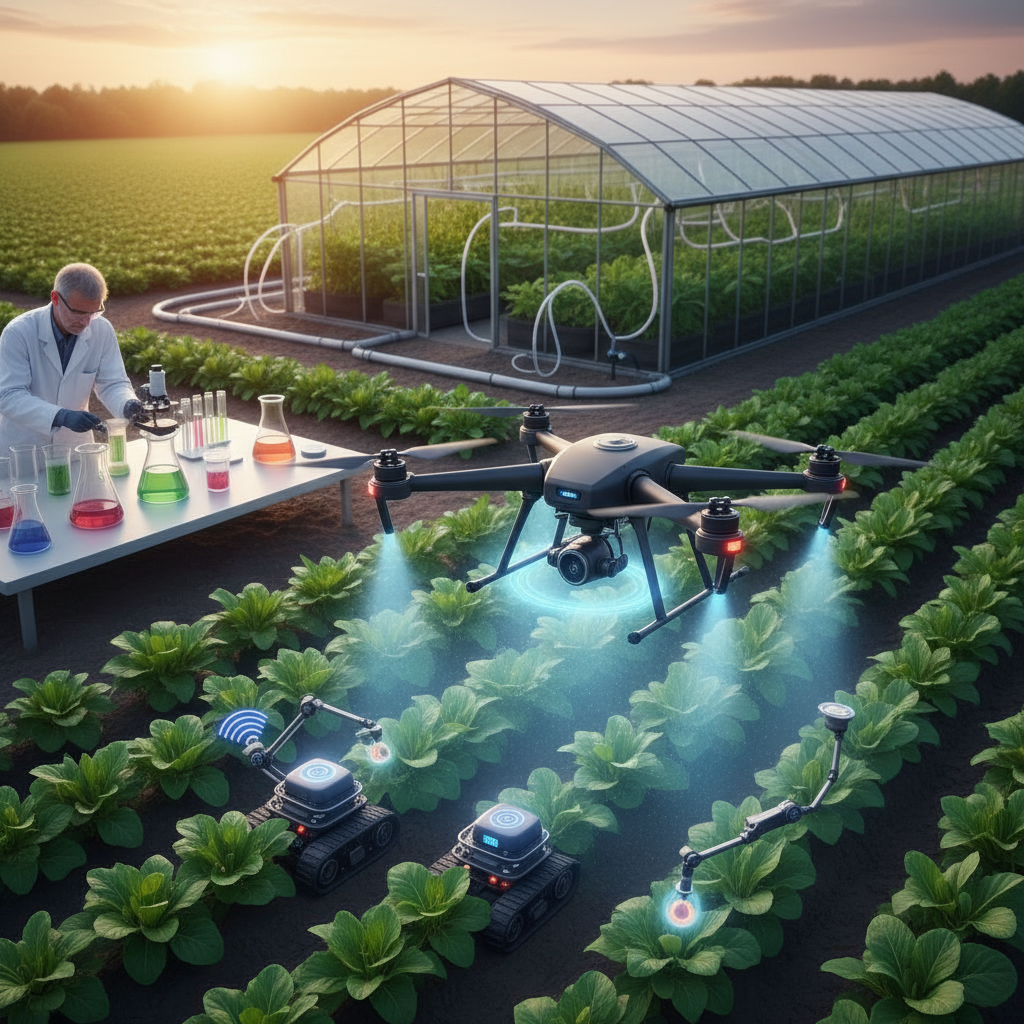
From biopesticides that harness the power of natural organisms to precision application techniques that minimize waste, these innovations illustrate a shift towards more responsible chemical use. As we explore these cutting-edge solutions, we highlight their potential impact on agriculture, the environment, and the economy. Embracing these advancements in chemical control not only addresses immediate challenges in pest management but also contributes to a more sustainable agricultural future. Join us as we uncover the transformative innovations that promise to reshape the landscape of chemical control in the coming years.
Leveraging AI for Precision in Chemical Usage and Monitoring
The integration of artificial intelligence (AI) into chemical control processes is revolutionizing the industry, particularly regarding sustainable solutions. The market for process control systems, which includes Distributed Control Systems (DCS) and Programmable Logic Controllers (PLC), is projected to grow significantly, with estimates indicating a compound annual growth rate (CAGR) of around 6% by 2025. This growth underscores a shift towards more efficient and precise chemical usage, driven by advancements in AI technology. By leveraging AI for real-time monitoring, companies can optimize chemical applications, reducing waste and improving safety protocols.
In various sectors such as oil and gas, chemicals, and food processing, AI is enhancing precision in chemical usage, allowing for tailored solutions to diverse environmental challenges. For instance, the adoption of AI in logistics and heavy machinery—where real-time data analytics improve operational safety—is a testament to its potential to reshape industrial practices. Tips for organizations include investing in AI-powered monitoring systems and training staff to utilize these technologies effectively. Such measures can lead to substantial cost savings and increased safety in hazardous environments.
AI’s potential extends even to high-risk jobs; it can mitigate dangers found in industries like electrical work and rescue operations. By using machine learning and data analysis, organizations can not only boost worker safety but also foster innovation in chemical management practices, paving the way for more sustainable industrial solutions.
2025 Top 5 Innovations in Chemical Control for Sustainable Solutions
| Innovation |
Description |
Benefits |
Expected Impact |
| AI-Powered Chemical Recommendations |
Utilizing AI algorithms to suggest optimal chemical application rates based on soil and crop data. |
Reduces chemical usage, enhances crop yield, and minimizes environmental impact. |
Higher crop productivity and reduced runoff pollution. |
| Remote Chemical Monitoring Systems |
Sensors and IoT devices monitor chemical levels in real-time to ensure safe usage. |
Immediate detection of over-application or leaks, enhancing safety and compliance. |
Increased regulatory adherence and reduced health risks. |
| Robotic Chemical Application |
Autonomous robots apply chemicals precisely based on mapped field data. |
Minimizes waste, improves application accuracy, and reduces labor costs. |
Enhanced efficiency in resource use leading to cost savings. |
| Predictive Analytics for Chemical Needs |
Using historical data to forecast future chemical requirements for crops. |
Better planning and reduced surplus chemical inventory. |
Cost efficiency and sustainability in chemical management. |
| Smart Decision Support Tools |
AI-driven systems assist farmers in making informed chemical use decisions. |
Increases precision in chemical applications while maximizing effectiveness. |
Promotes sustainable agriculture practices. |
Eco-Friendly Pesticides: Innovations in Biodegradable Formulations
The growing demand for sustainable agriculture has catalyzed significant innovations in the development of eco-friendly pesticides. Biodegradable formulations are at the forefront of this movement, offering an alternative to traditional chemical pesticides that often persist in the environment and pose risks to non-target organisms. These innovative products are designed to break down more quickly and safely, reducing their ecological footprint while effectively managing pest populations.
Recent advancements in biotechnology have led to the creation of biodegradable pesticides derived from natural sources, such as plant extracts and microbial agents. These formulations not only mitigate environmental harm but also enhance soil health and biodiversity. For instance, the integration of biopesticides with advanced delivery systems can improve efficacy, ensuring that beneficial insects and surrounding habitats remain unharmed. As researchers continue to explore new sources and methods, the future of pest management looks promising, aligning agricultural practices with the principles of sustainability and environmental stewardship.
Integrating IoT Devices for Real-Time Environmental Impact Assessment
The integration of Internet of Things (IoT) devices in chemical control measures represents a pivotal advancement toward sustainable environmental management. Recent studies indicate that the global IoT in agriculture market is expected to reach $20.39 billion by 2025, with a CAGR of 12.4% from 2020 to 2025. This surge underscores the potential for real-time data collection on environmental impacts, thereby enabling more responsive and responsible agricultural practices. By employing sensors to monitor soil health, moisture levels, and chemical runoff, farmers can optimize the usage of fertilizers and pesticides, leading to reduced environmental degradation.
Moreover, the use of IoT devices facilitates the continuous assessment of the ecological footprint of chemical applications. According to a report by Markets and Markets, the precision agriculture industry is projected to grow to $12.9 billion by 2027, driven by the need for better environmental stewardship and efficient resource management. These sophisticated systems not only provide critical information on the immediate effects of chemical use but also offer predictive analytics to mitigate long-term impacts, ensuring sustainability in agricultural practices. This shift to data-driven decision-making is essential for creating a resilient agricultural ecosystem that harmonizes productivity with environmental preservation.
Advancements in Smart Application Techniques to Minimize Waste
The advancement of smart application techniques in chemical control is paving the way for
sustainable solutions in various industries. By leveraging technologies like
precision agriculture, businesses can minimize waste while maximizing efficiency. Smart application techniques utilize
data analytics, satellite imagery, and sensor technologies to determine the exact timing and quantity of chemical applications.
This targeted approach not only decreases the overall usage of chemicals but also mitigates the environmental impact,
making it a critical innovation for sustainable practices.
In addition, the integration of artificial intelligence (AI) in decision-making processes enhances the
effectiveness of chemical applications. AI can analyze vast amounts of data to predict pest outbreaks and optimize treatment
schedules, ensuring that chemicals are applied only when necessary. This proactive strategy prevents unnecessary chemical run-off
and reduces costs for farmers and manufacturers alike. As these innovations continue to evolve, they promise a future where
chemical control aligns with environmental stewardship, fostering a more sustainable balance between productivity and ecological
responsibility.
Harnessing Data Analytics for Predictive Models in Chemical Control Strategies
The integration of data analytics into chemical control strategies has transformed how industries approach sustainable solutions. By utilizing predictive models, companies can anticipate chemical behavior and mitigate the environmental impact of their products. According to a recent report by MarketsandMarkets, the global data analytics market in the chemical industry is expected to grow from $6.5 billion in 2022 to $11.8 billion by 2027, reflecting a compound annual growth rate (CAGR) of 12.5%. This growth is primarily driven by the increasing need for real-time data analysis to optimize chemical processes and reduce waste.
Incorporating predictive models enables companies to leverage historical data and machine learning algorithms to forecast potential outcomes of chemical applications. For example, the American Institute of Chemical Engineers (AIChE) has highlighted how predictive analytics can identify the most effective formulations, minimizing the use of hazardous chemicals while maintaining performance efficiency. This innovation not only supports regulatory compliance but also facilitates a proactive approach to chemical management, leading to improved sustainability outcomes across the sector. As industries continue to embrace these technological advancements, the emphasis on data-driven decision-making will be crucial for achieving long-term sustainable solutions in chemical control.