2025 Top Strategies for Effective Chemical Weed Control in Your Garden
In the pursuit of a flourishing garden, one of the most persistent challenges gardeners face is the management of weeds. Unchecked, these unwanted plants can compete with your prized flowers and vegetables for essential nutrients, light, and space. As we look ahead to 2025, it becomes increasingly vital to adopt effective strategies for chemical weed control that are environmentally responsible and efficient.
Chemical weed control remains a cornerstone in modern gardening practices. By utilizing targeted herbicides, gardeners can effectively manage weed populations while minimizing the impact on desirable plants. However, it is essential to approach chemical weed control with a balanced perspective, weighing the benefits of these products against potential ecological consequences. With advancements in agricultural science, the strategies available in 2025 will not only improve the effectiveness of weed control but also enhance sustainability in garden management.
As we delve into the top strategies for effective chemical weed control, this guide will equip you with the knowledge and tools necessary to maintain a thriving garden while keeping pesky weeds at bay. By focusing on precision applications, integrated pest management techniques, and adhering to best practices, you can ensure your garden not only survives but thrives in the face of weed pressures.

Understanding the Basics of Chemical Weed Control
Chemical weed control is a method that uses herbicides to manage unwanted plants in gardens and landscapes. To understand the basics, it is crucial to know the types of herbicides available, each designed for specific weed species and growth stages. Selective herbicides target specific types of weeds without harming desirable plants, while non-selective herbicides kill any plant they come into contact with, making them suitable for clearing areas before replanting. Understanding these distinctions is fundamental for selecting the right product for your garden needs.
When employing chemical weed control, it is essential to follow application guidelines carefully to minimize environmental impact and ensure effectiveness. Timing is critical; applying herbicides at the right moment, often during the early growth stages of weeds, can significantly enhance their efficacy. Additionally, factors such as weather conditions and soil type should be considered, as these can influence how the chemicals are absorbed and translocated within both weeds and surrounding plants. Proper equipment and techniques, such as using sprayers with adjustable nozzles, can also aid in achieving optimal results while avoiding harm to other vegetation.
Identifying Common Garden Weeds and Their Impact
Identifying common garden weeds is crucial for maintaining a healthy garden, as these unwanted plants can significantly impact crop yield and biodiversity. According to a report by the Global Weed Science Society, weeds can reduce agricultural productivity by up to 50% in severe cases, directly affecting the food supply and economic stability for gardeners. Species such as dandelion, crabgrass, and bindweed are particularly aggressive, often outcompeting desired plants for nutrients, water, and sunlight. Effective identification allows gardeners to implement targeted control measures before weeds become a larger problem.
The impact of garden weeds extends beyond simple aesthetics; they can also harbor pests and diseases that threaten the overall health of the garden ecosystem. For example, certain weeds can emit allelopathic chemicals that inhibit the growth of neighboring plants, further complicating control efforts. Research indicates that over 30% of experienced gardeners report difficulty in managing weed populations due to their rapid reproduction rates and adaptability. Therefore, understanding the life cycles and growth patterns of common garden weeds is essential for developing strategic management practices that support sustainable gardening efforts.
Choosing the Right Herbicides for Effective Control
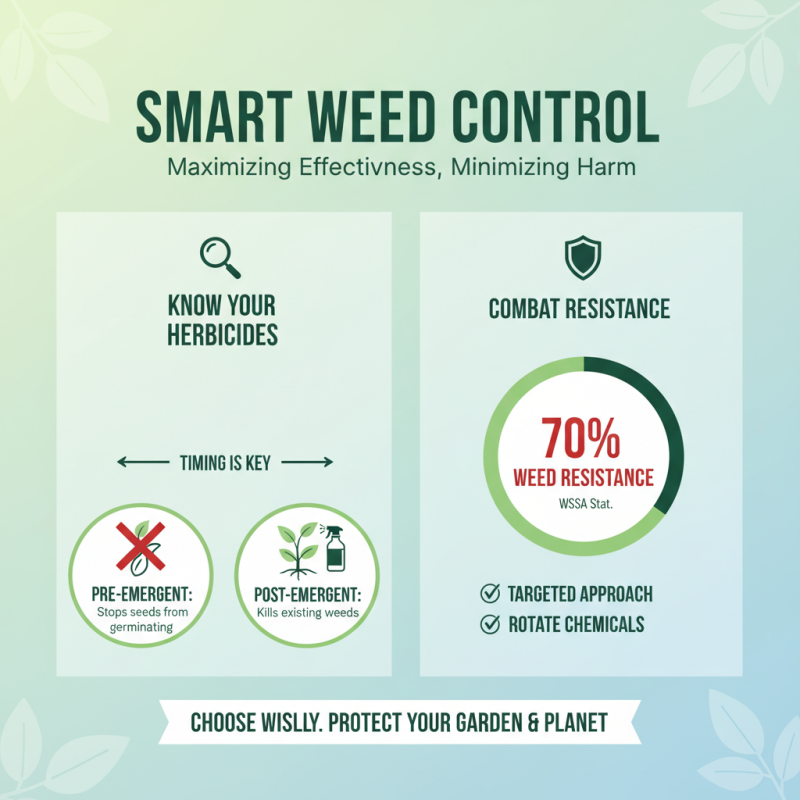
Choosing the right herbicides is crucial for effective weed control in your garden, as improper selection can lead to resistance issues and environmental harm. According to the Weed Science Society of America, approximately 70% of weed species have developed resistance to one or more herbicides, making it imperative for gardeners to opt for a targeted approach. Understanding the chemical properties of herbicides—such as pre-emergent versus post-emergent types—can significantly influence their effectiveness. Pre-emergent herbicides prevent weed seeds from germinating, while post-emergents tackle weeds that have already emerged, underscoring the importance of timing in application.
In addition to timing, the application rate is another critical factor in herbicide efficacy. Research published by the National Research Council indicates that applying herbicides at the recommended rates not only maximizes weed control but also minimizes the risk of chemical runoff and damage to desirable plants. Gardeners should also consider factors such as soil type, weather conditions, and plant tolerance levels when selecting herbicides. By integrating these strategies with integrated pest management practices, gardeners can maintain healthier ecosystems while effectively controlling unwanted weeds.
Application Techniques for Maximum Efficacy
When it comes to effective chemical weed control in your garden, understanding application techniques is crucial for maximizing efficacy. Proper timing and environmental conditions play a significant role in ensuring that chemical treatments are absorbed efficiently by target weeds. Apply herbicides on calm, dry days to minimize drift and enhance penetration. This ensures that the chemicals reach their intended targets without being compromised by wind or moisture.
Tips: Always read and follow the label instructions for the specific chemical used. Applying at the right growth stage of the weeds—usually during peak growth—will increase the likelihood of effective control. Additionally, consider mixing different types of herbicides in a pre-emergent and post-emergent strategy to target both existing and developing weeds.
Moreover, the method of application can drastically affect outcomes. Spraying is the most common method, but using a foam or granular application can help reach tricky areas and reduce the risk of damaging desirable plants. Employing the correct nozzle type for your sprayer can also improve coverage and reduce waste, ensuring that your efforts in weed management are as effective as possible.
Tips: Always calibrate your sprayer before use to ensure accurate application rates, and avoid applying herbicides on overly wet or dry soil conditions, which can affect absorption and efficacy.
Integrating Chemical Control with Sustainable Practices
Integrating chemical control with sustainable practices is essential for effective weed management in gardening. While chemical herbicides can provide immediate results in combating invasive species, their long-term impact on soil health and ecosystem biodiversity warrants careful consideration. By adopting an integrated weed management approach, gardeners can combine chemical methods with organic practices, thus minimizing chemical reliance while promoting environmental sustainability.
One effective strategy involves the selective application of herbicides, targeting specific areas where invasive weeds dominate, while preserving beneficial plants and microorganisms. This can be complemented by cultural practices such as crop rotation and maintaining healthy soil through mulching and composting. These methods enhance soil structure and fertility, which can lead to a more resilient garden ecosystem that better withstands weed competition.
Additionally, utilizing mechanical weed control methods, like hand pulling or hoeing, can reduce the need for chemicals altogether, making the garden safer for pets and wildlife.
Educating oneself about the types of weeds present and their growth habits can aid in the timing and method of chemical application, ensuring a more judicious use of herbicides. By integrating these practices, gardeners can effectively control weeds while fostering a sustainable garden environment that encourages biodiversity and ecological balance.